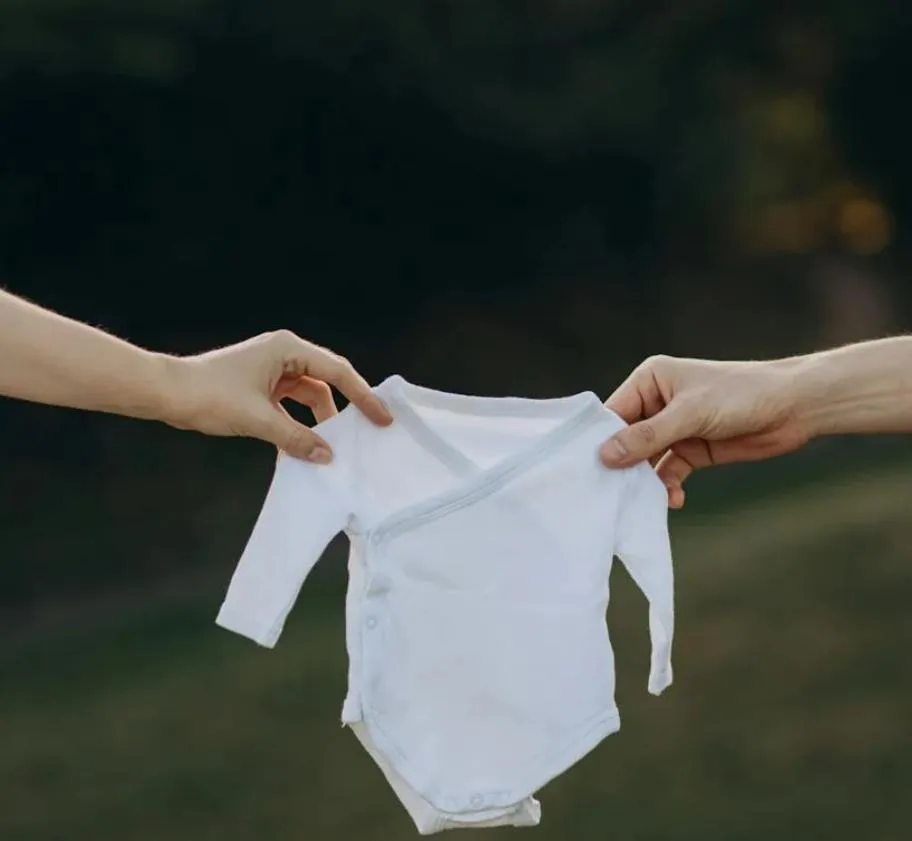
A naming ceremony is a way of saying out loud, in front of the people who love you, that this child, or this name, belongs here. Some families come to a naming because they want something more meaningful than a registry-office certificate; others have an older child whose name has changed and want to honour that with the same warmth a baby's naming would have. The form is the same: a non-religious ceremony, written from scratch, led with care.
What it includes
- A first conversation to hear who the child is (or who the older person is, in the case of a chosen-name ceremony), what the family wants the day to feel like, and what role godparents or supporting adults will play.
- A second consultation to read the draft together and re-shape what does not yet sound right.
- All the writing: a welcome that introduces the child, a piece about the name itself (its meaning, its history in the family), promises from parents and godparents, a reading or two, and any symbolic element you want included (a candle, a sand blending, a planted tree).
- The ceremony itself, led on the day, with all materials.
Where naming ceremonies happen
In a garden, a back room of a pub, a living room, a country hall, a beach. Naming ceremonies tend to be smaller and more intimate than weddings; the venue often only matters because the people in it do.